


Scroll down
Information
新着情報
-
2026.06.29
改修工事に伴う臨時休館のお知らせ(大樋美術館)
Notice of Temporary Closure for Renovation -
2026.05.11
メールに関する不具合のお知らせ
Notice of Service Disruption -
2026.05.07
日本橋三越 個展 十一代 大樋長左衛門(年雄) 2026.05.13 - 2026.05.18
Exhibition / Nihonbashi Mitsukoshi Toshio OHI Chozaemon XI -
2026.03.30
価格改定に関するお知らせ
Notice Regarding Price Revision -
2026.02.21
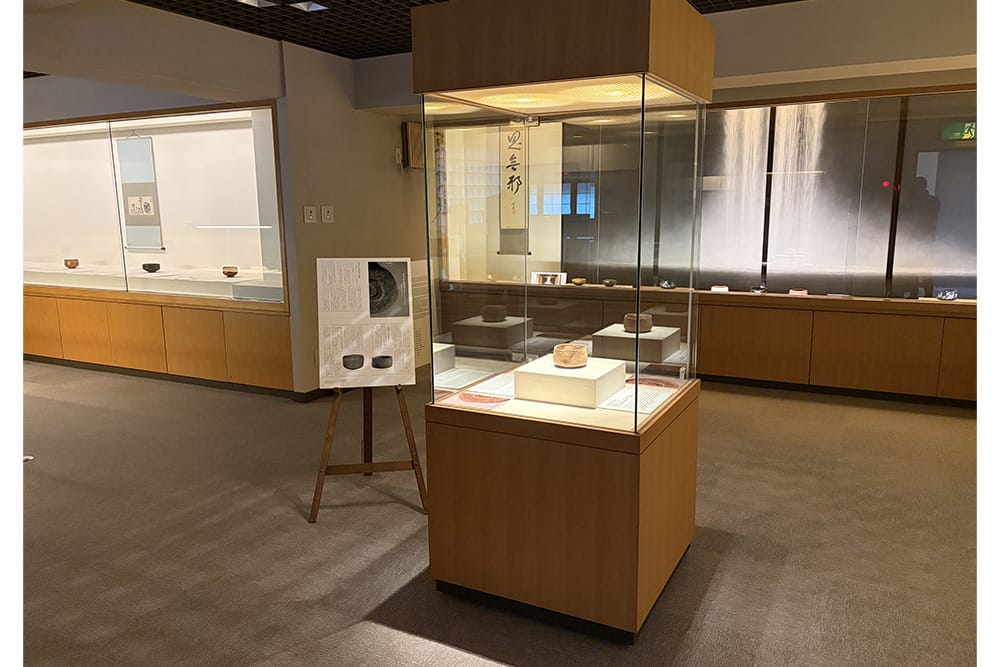
大樋美術館 2階展示 空中茶盌
Exhibition Ohimuseum 2F
Exhibition
展示会情報


About "Ohi Ware"
大樋焼について

History of the Ohi chozaemon Kiln
大樋長左衛門窯の歴史
寛文六年(1666年)加賀藩主五代・前田綱紀侯は京都より仙叟宗室(裏千家四代)を茶道普及の為に金沢へ招きました。その際、初代長左衛門が京都より同道し、金沢郊外・大樋村(現大樋町)からなどの粘土によって、茶盌などを制作したことで大樋焼と称されるようになりました。
In 1666 the fifth lord of the Maeda family, Lord Maeda Tsunanori, invited to Kanazawa the fourth generation tea master of the Urasenke tradition, Senso Soshitsu, to disseminate the art of the tea ceremony known as chado.
The first generation Ohi Chozaemon was a close disciple of Ichinyu, who was the fourth generation head of the Raku family of potters. Ohi Chozaemon accompanied the tea master Senso to Kanazawa and began to produce tea bowls with clay that came from the village of Ohi, which was located in an area outside of Kanazawa.
This is the origin of the name Ohi-yaki.

Genealogy of the Successive Generations of Ohi Chozaemon
大樋長左衞門歴代系譜
360年余の歴史を誇る大樋焼は、加賀藩前田家のお抱え陶工として始まり、代々その技と心を継承してきました。一子相伝の道を歩む大樋家は、初代・長左衛門から現代に至るまで、時代の移り変わりとともに、常に伝統と革新を重ねながら焼き物文化を牽引してきました。
With a proud history of over 360 years, Ohi-yaki began as the official pottery of the Maeda clan of the Kaga Domain. The Ohi family has inherited not only the techniques but also the spirit of the craft through generations, following the path of direct succession from father to son. From the first generation, Chozaemon, to the present day, the family has continued to lead the world of ceramics, blending tradition with innovation through the changing times.
Facility Overview
施設概要

Ohi Museum
大樋美術館について
百万石文化を伝え育てる加賀の茶陶
1990年秋開館。大樋長左衛門窯敷地内にあり、初代から現代までの大樋焼と加賀藩ゆかりの茶道具を展示。館長は十一代大樋長左衛門。常設展示は三室で、歴代作品や文化人との関わりを紹介。陶壁は十代長左衛門作、前庭「風庭」は勅使河原宏監修。ミシュランガイドで個人美術館として異例の一つ星を獲得。
Opened in the fall of 1990. Located on the premises of the Ohi Chozaemon Kiln, the museum exhibits Ohi ceramic from the first generation to the present and tea ceremony utensils related to the Kaga domain. The director of the museum is Ohi Chozaemon XI. The permanent exhibition consists of three rooms, introducing the works of successive generations and their relationship with cultural figures. The ceramic wall is by Chozaemon X, and the front garden “Futei” was supervised by Hiroshi Teshigawara. The museum was awarded one star in the Michelin Guide, an unprecedented honor for a private museum.

Ohi Gallery
大樋ギャラリーについて
2014年春 武家屋敷(金沢市指定保存建造物)である当家は建築家・隈研吾氏の設計、木村ふみ氏コーディネートによるギャラリー、茶室などが新築されました。大樋ギャラリーでは、大樋陶冶斎と十一代大樋長左衛門(年雄)、また長男・奈良 祐希が制作した作品、また両者のプロデュースによる(大樋セレクション)新たな提案が展示されています。また、茶室「年々庵」(裏千家鵬雲斎大宗匠命名)では、歴代茶盌で抹茶を喫することもできます(有料)
In the spring of 2014, our samurai residence (Kanazawa specification preservation building) gallery and tearoom was newly built and designed by the Architect Mr.Kuma Kengo, coordinated by Ms. Kimura Fumi. The Ohi gallery which displays work by both the 10th generation Ohi Chozaemon, his eldest son Toshio 11th generation and next generation Nara Yuki together have selected new proposal work for the Ohi Museum’s current exhibition. Furthermore, in the Nennen-An tearoom (named by the grand Urasenke Tea Master Hounsai), it is possible to share tea by selected successive Ohiyaki tea bowls + Kanazawa style sweets.
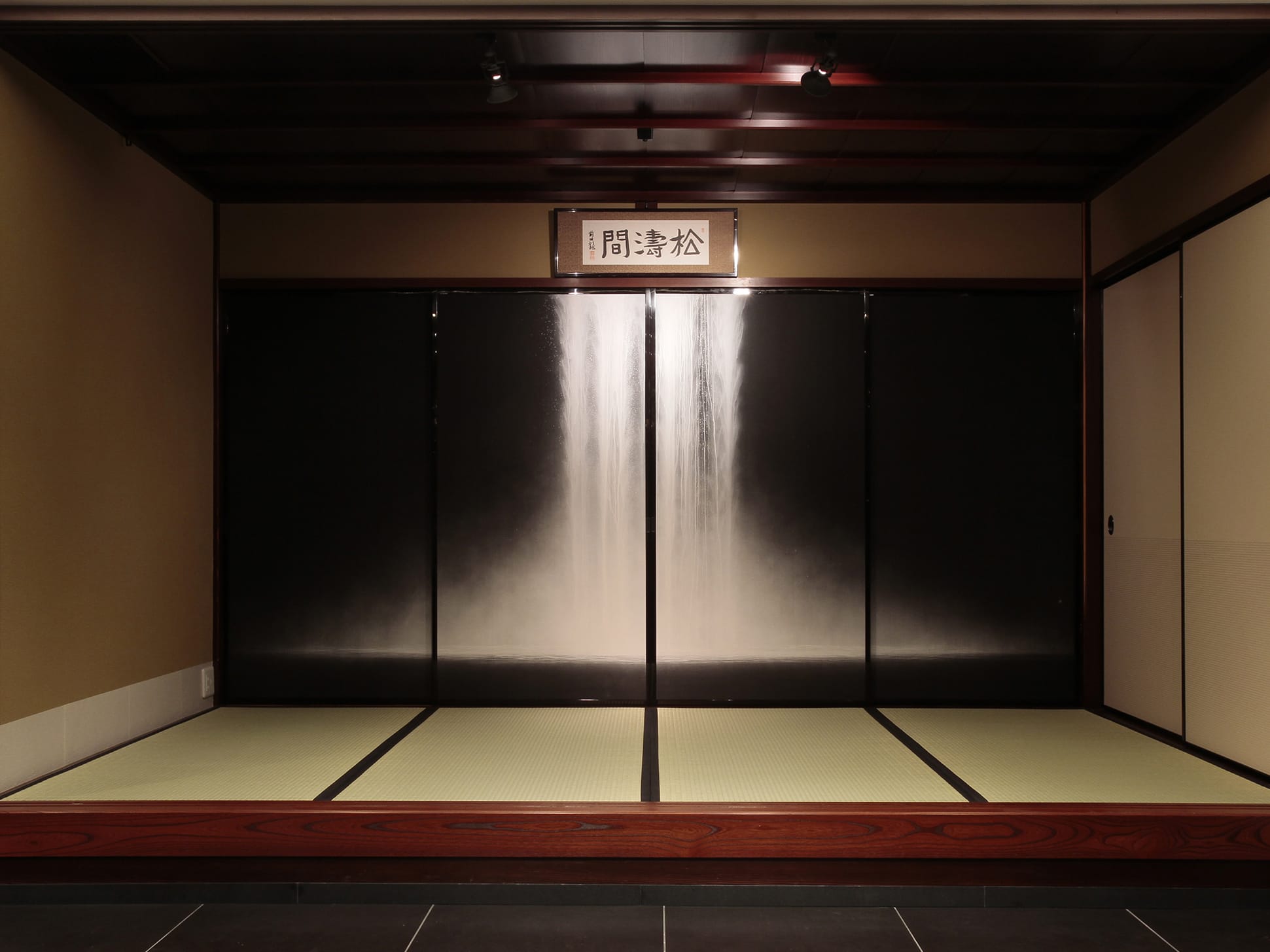
Ohi Chozaemon Tea Room
大樋長左衛門邸内茶室について
<現在この作品(襖絵)は美術館にて展示中>
金沢市指定建造物である屋敷内には「芳土庵」裏千家十一代玄々斎家元命名・「陶土軒」裏千家十五代鵬雲斎家元設計/命名
「松濤間」十八代前田利祐様命名・「年々庵」建築家 隈研吾氏設計/裏千家十五代鵬雲斎家元命名などの茶室があり、日本画家 千住博氏制作による襖絵が施されています。
<This work (fusuma painting) is currently on display at the museum.>
There are several tea rooms within this building, which is a Kanazawa City designated historic architectural structure. The first tea room is called “Houdoan,” named by 11th Urasenke Grand Tea Master Gengensai. The name has the meaning of “good fragrance of clay.” The second tea room is called “Toudoken,” named by 15th Urasenke Grand Tea Master Hounsai. The third tea room is called “Shotonoma,” named by18th Maeda Lord Toshiyasu. Finally, the fourth tea room is called “Nennenan,” which was named by 15th Urasenke Grand Tea Master Hounsai and designed by the Japanese architect, Kengo Kuma. There is also a fusuma (Japanese sliding door), which was beautifully painted by the Japanese painter, Hiroshi Senju.

Tea Wedding Ceremony
茶婚式について
茶婚式とは・・・
茶の湯の精神にのっとって行なわれる婚礼のことです。「和敬清寂」は、お互いが心より和し敬い合い、清らかな気持ちで会し、寂然不動の心を持つことを説いています。
What is a Tea Marriage Ceremony?
It is a wedding performed in the spirit of the Way of Tea. The well-known phrase “Wa Kei Sei Jaku” is like a mantra that serves to harmonize and bring together kindred souls with a freshness of spirit. This phrase teaches us to honor “harmony, respect, purity and tranquility” and cultivate a spirit of unwavering tranquility.
